
Introduction
A plumbing emergency can happen when you least expect them. Whether it’s a burst pipe, an overflowing toilet, a sudden leak under your sink, or water backing up into your home, these situations can quickly become stressful and overwhelming. Even a small issue can escalate into serious water damage if not handled properly.
The key to minimizing damage is acting quickly and knowing exactly what steps to take in the moment. Many homeowners panic during emergencies, which can lead to costly mistakes or delays that make the situation worse.
The good news is that you don’t need to be a plumbing expert to take control of the situation. By following a few simple steps, you can protect your home, reduce damage, and stay safe until a professional arrives.
1. Shut Off the Water Immediately
The first and most important step in any plumbing emergency is stopping the flow of water. The longer water continues to run or leak, the more damage it can cause to floors, walls, cabinets, and even your home’s structure.
Every homeowner should know where their main water shut-off valve is located. This valve is typically found in the basement, utility room, or near where the main water line enters your home.
Locate and turn off:
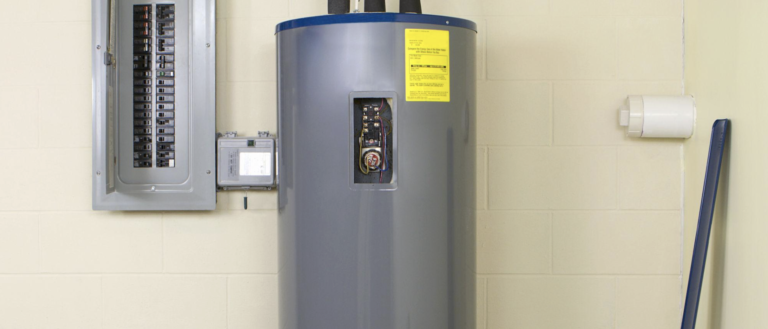
2. Turn Off Your Water Heater
If your plumbing emergency involves hot water or a major leak, it’s important to shut off your water heater as soon as possible.
Water heaters rely on consistent water flow to operate safely. When there is a disruption, pressure can build up inside the system, which can damage the unit or create additional risks.
Why this matters:
If you have an electric water heater, switch it off at the breaker. For gas systems, turn off the gas supply if needed.
3. Contain the Leak
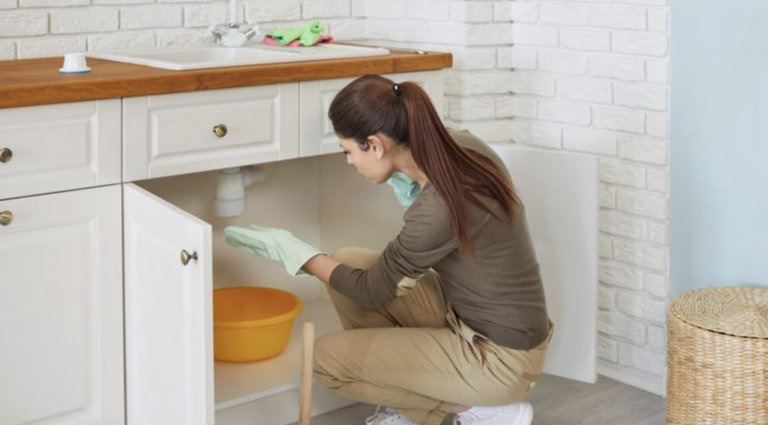
Once the water is turned off, your next goal is to control and contain any remaining water. Even small leaks can spread quickly and cause damage to flooring, drywall, and furniture.
Taking quick action can significantly reduce cleanup time and repair costs.
You can:
These temporary measures won’t fix the issue, but they can prevent the situation from getting worse while you wait for professional help.
Many leaks start from preventable issues—follow these clogged drain prevention tips to reduce the risk of future emergencies.4. Avoid Using Plumbing Fixtures
During a plumbing emergency, it’s important to stop using all water-related fixtures in your home.
Many plumbing systems are connected, meaning that using one fixture can affect others. For example, running water in a sink could cause water to back up in a tub or floor drain if there is a blockage.
Avoid:
Keeping everything off reduces pressure in the system and prevents additional damage from occurring.
5. Check for Electrical Hazards
Water and electricity are a dangerous combination. If your plumbing emergency involves flooding or standing water, you need to be extremely cautious.
Electrical hazards can lead to serious injury if not handled properly.
Be cautious of:
If you suspect any risk, turn off power to the affected area at your breaker panel. Never step into standing water if electrical outlets or devices are nearby.
6. When to Call a Professional
After you’ve taken immediate steps to control the situation, it’s time to call a professional plumber. While some minor issues can be handled on your own, emergencies usually require proper tools, experience, and expertise to fix safely.
Delaying professional help can result in more damage and higher repair costs.
At ClearFlow Plumbing, we provide fast and reliable emergency plumbing services across Calgary. Our team is equipped to handle everything from leaks and clogs to major system failures, ensuring your home gets back to normal as quickly as possible.
Conclusion
Plumbing emergencies can be stressful, but knowing how to respond makes a huge difference. Acting quickly by shutting off the water, containing leaks, and avoiding further use of your plumbing system can help prevent serious damage to your home.
Most importantly, don’t hesitate to call a professional when needed. A fast response can save you time, money, and unnecessary stress.
By staying prepared and knowing what to do, you can handle emergencies with confidence and keep your home protected.
Recent Posts
Get in Touch
Business Hours:
Mon–Fri: 8:00 AM – 6:00 PM
Emergency Service:
Available 24/7
Need Help with a Clogged Drain?
Don’t let a small issue turn into a major problem. Our expert plumbers are ready to help—fast.