
Introduction
A slow draining sink is one of the most common plumbing problems homeowners face. While it may seem minor at first, it can quickly turn into a full blockage if ignored.
Most slow drains can be fixed with a few simple steps—no plumber required. You can also prevent future issues by following these drain maintenance tips.Taking action early is important. What starts as a slow drain can quickly become a complete clog, leading to water backup, unpleasant odors, and even pipe damage. By following the right steps, you can restore proper flow and prevent larger plumbing issues.
1. Remove Visible Debris
Before using any tools, check for anything blocking the drain opening.
Look for:
Use gloves or tweezers to remove anything visible.
This is often the quickest and easiest fix. Many clogs start at the surface, especially in bathroom sinks where hair and soap residue accumulate over time. Removing visible debris can immediately improve water flow.
2. Use Boiling Water
Boiling water can break down grease and soap buildup.
Steps:
Hot water works especially well for kitchen sinks where grease is a common issue. Over time, oils and fats stick to the inside of pipes, narrowing the passage for water. Pouring hot water helps dissolve these substances and clear the path.
3. Try a Plunger
A plunger can loosen clogs stuck deeper in the pipe.
Steps:
This creates pressure to dislodge the blockage.
If done correctly, plunging can break apart stubborn clogs that aren’t visible from the surface. Make sure there’s a tight seal around the drain for the best results. This method is simple but very effective when dealing with moderate blockages.
4. Use a Natural Cleaning Solution
Skip harsh chemicals—they can damage your pipes over time.
Use this instead:
This helps break down buildup naturally.
This method creates a fizzing reaction that loosens debris and clears minor clogs. It’s also eco-friendly and safe for most plumbing systems, making it a great regular maintenance solution.
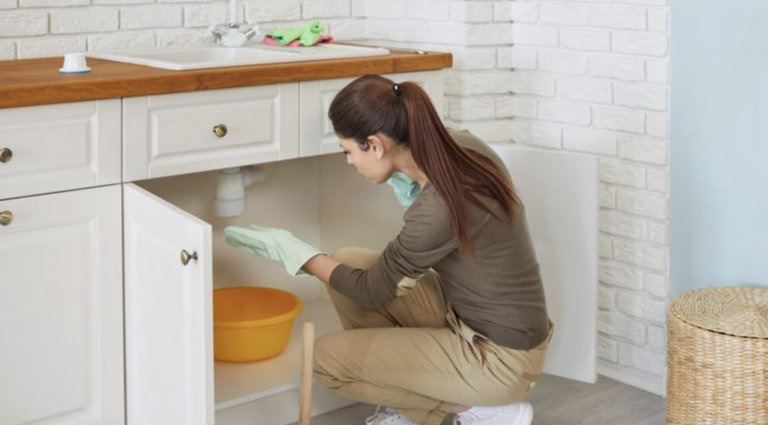
5. Clean the P-Trap
If the clog is still there, it might be in the pipe under the sink.
The P-trap is designed to catch debris and prevent sewer gases from entering your home, but it can also collect buildup over time. Cleaning it manually ensures that any trapped material is completely removed.
Steps:
6. When to Call a Professional
If your sink is still draining slowly after trying these methods, the problem may be deeper in your plumbing system.
Signs you need a plumber:
Professional plumbers have specialized tools to diagnose and fix deeper blockages that DIY methods can’t reach. Ignoring these signs can lead to more serious damage over time.
Conclusion
Fixing a slow drain doesn’t require much effort—just a few simple steps and regular maintenance. By acting early, you can prevent bigger plumbing issues and keep your home running smoothly.
If you ever notice signs of a serious blockage, don’t wait—addressing the problem early can save you time, money, and stress. In urgent situations, it’s important to know what to do during a plumbing emergency.Recent Posts
Get in Touch
Business Hours:
Mon–Fri: 8:00 AM – 6:00 PM
Emergency Service:
Available 24/7
Need Help with a Clogged Drain?
Don’t let a small issue turn into a major problem. Our expert plumbers are ready to help—fast.